
PTSD Treatment
Find clear, accessible support for post-traumatic stress disorder
Living with post-traumatic stress disorder (PTSD) can affect your sense of safety, relationships, work, sleep, and everyday responsibilities. Whether you're experiencing symptoms after a single traumatic event or ongoing trauma, Alpine Psychiatry provides personalized PTSD treatment and medication management designed to support steady, ongoing care. We accept most major insurance plans.
Understanding PTSD
PTSD symptoms vary from person to person and may develop shortly after a traumatic event or months later. Common symptoms include:
Intrusive symptoms
Distressing memories
Flashbacks
Nightmares
Unwanted thoughts related to the traumatic event
Emotional distress when reminded of the trauma
Avoidance symptoms
Avoiding places or situations associated with the trauma
Avoiding conversations about the event
Emotional withdrawal
Feeling detached from others
Physical and emotional reactivity
Feeling constantly on guard
Being easily startled
Irritability or anger
Difficulty sleeping
Trouble relaxing
Changes in mood and thinking
Persistent feelings of fear, guilt, or shame
Difficulty experiencing positive emotions
Negative thoughts about yourself or the world
Trouble concentrating
Loss of interest in activities once enjoyed
Please Note: Experiencing one or more of these symptoms does not necessarily mean someone has post-traumatic stress disorder. Consulting with a psychiatric professional can help determine the underlying cause of your concerns and relevant next steps.
PTSD can influence many aspects of everyday life, including:
Work performance
Academic success
Relationships
Sleep quality
Emotional regulation
Physical well-being
Self-confidence
Daily responsibilities
For many individuals, PTSD symptoms can make it difficult to feel safe, connected, or fully engaged in everyday life. Receiving the right support can help reduce symptoms, improve daily functioning, and restore a greater sense of stability over time.
Personalized PTSD treatment
Treatment begins with understanding your unique experiences, goals, and challenges. Every care plan is individualized and may include one or more treatment approaches based on your needs.
Psychiatric Evaluations
A comprehensive evaluation that helps us better understand your symptoms, history, and overall mental health. Think of it as an in-depth review of your past and present, to provide clear direction in the development of a personalized treatment plan.
Medication Management
Medication recommendations and prescribing, ongoing monitoring, and adjustments as your needs change over time.
Individual Therapy
Therapy can help develop practical strategies for processing trauma, managing distressing symptoms, improving emotional regulation, and addressing challenges that often accompany post-traumatic stress disorder.
Learn more
Meet our providers who treat PTSD
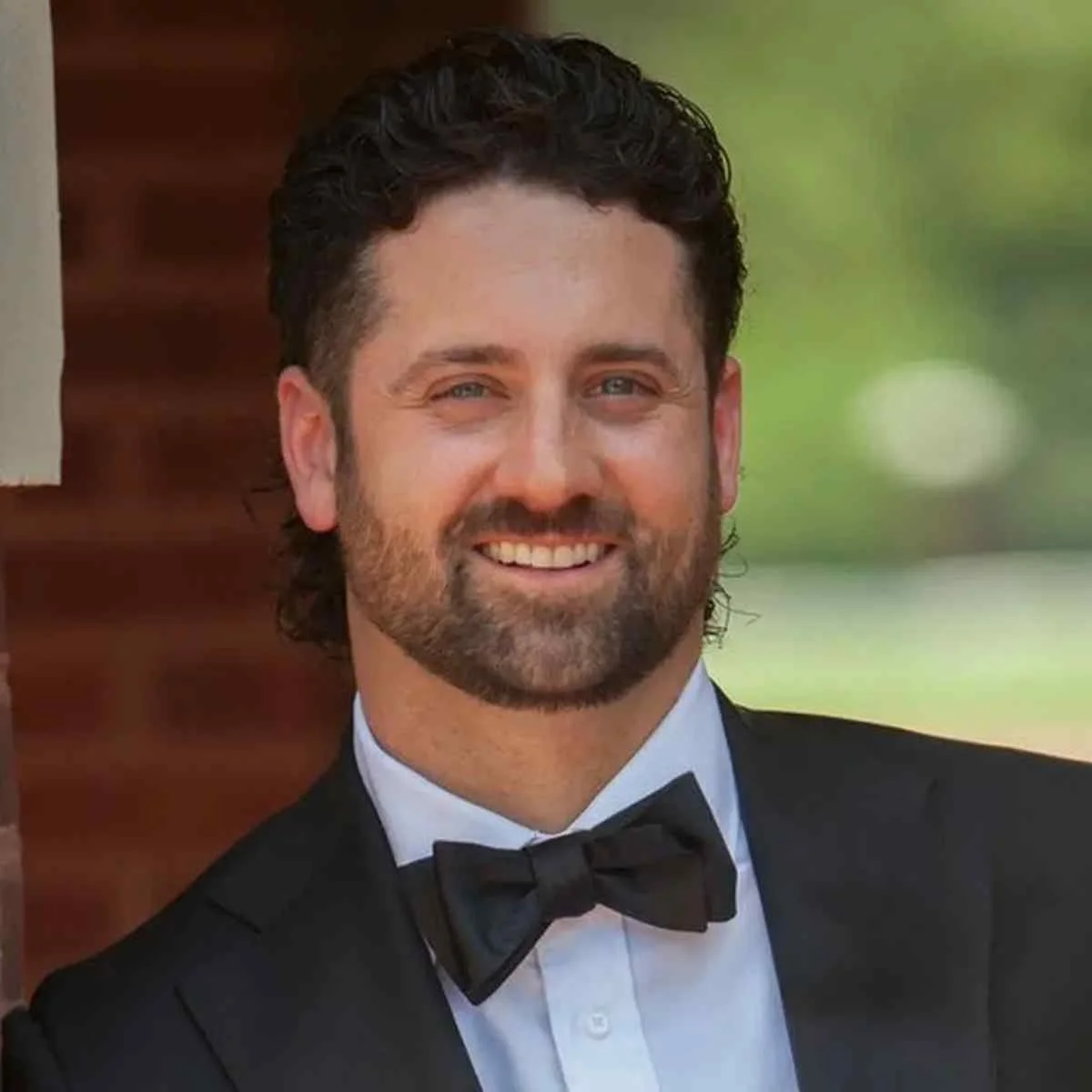
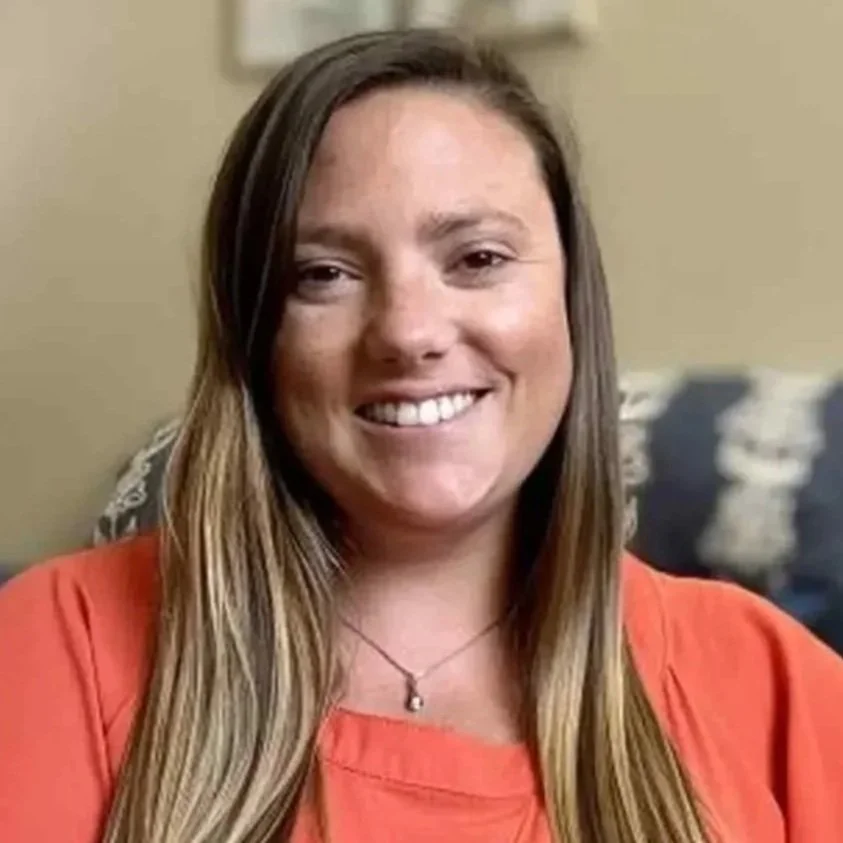
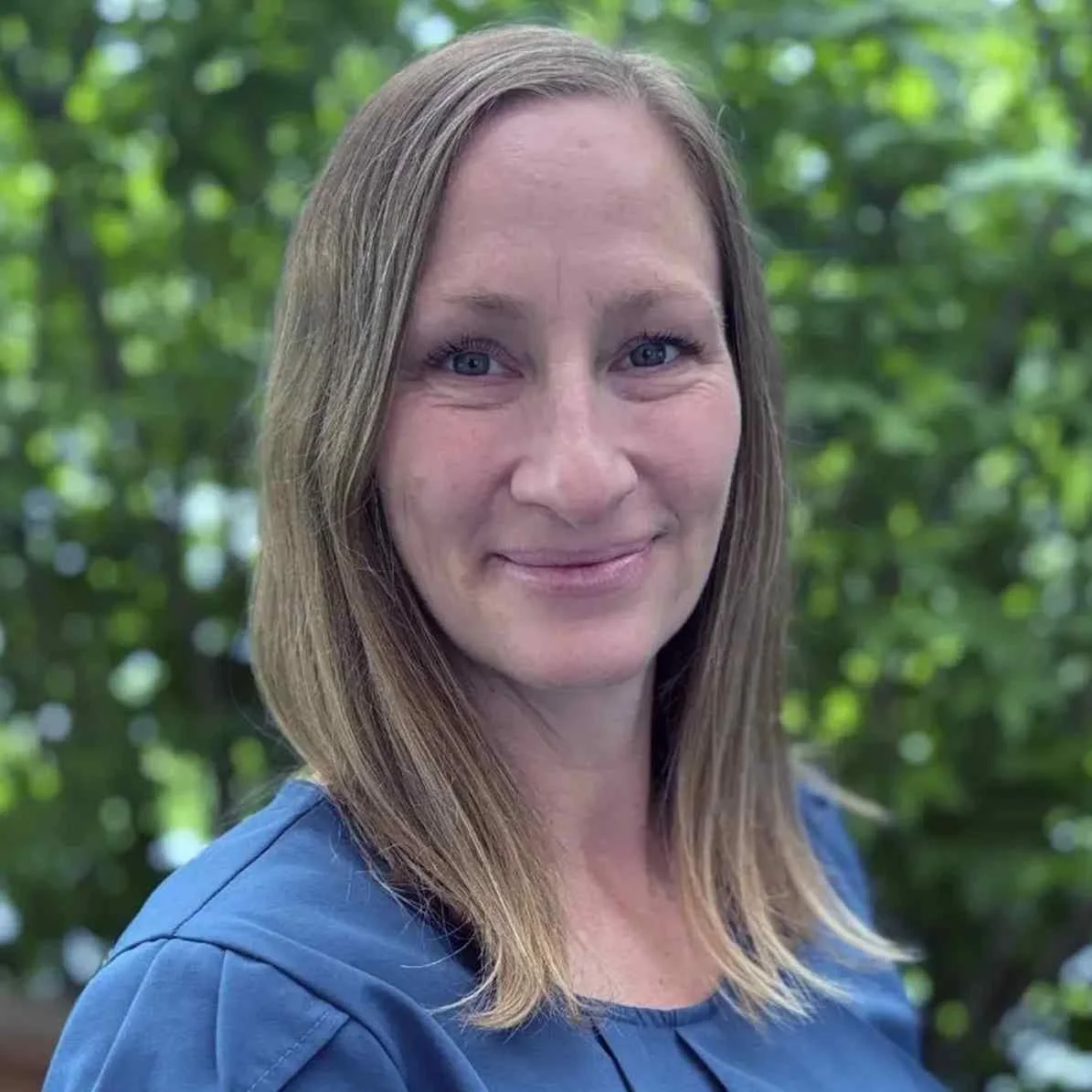
Our providers work with children, adolescents, and adults experiencing post-traumatic stress disorder and related concerns. Learn more about the clinicians who provide PTSD evaluations and ongoing treatment.















PTSD care that works with your insurance
Access to PTSD care should feel straightforward. Alpine Psychiatry accepts most major insurance plans to help make ongoing PTSD treatment more accessible. Our team can help verify your benefits before your first appointment.










Frequently asked questions about PTSD
-
Yes. While some people experience symptoms soon after a traumatic event, others may not notice symptoms until months or even years later.
-
Not always. Treatment recommendations are individualized and may include medication, therapy, or a combination of approaches based on your needs.
-
Yes. Alpine Psychiatry provides care for children, adolescents, and adults.
-
The frequency of follow-up appointments depends on your individual treatment plan and how your symptoms are progressing.
Learn more about PTSD
Explore articles written by our team on post-traumatic stress disorder, treatment options, medication management, therapy, and strategies for supporting long-term recovery.

Ready to take the next step?
Whether you're seeking PTSD treatment for yourself or a loved one, Alpine Psychiatry provides accessible care, clear guidance, and ongoing support.